

Table of Contents
Why SaaS Products and Automations Matter Now More Than Ever
In 2025, businesses aren’t just looking for tools — they’re looking for scalable systems that save time, reduce costs, and accelerate growth. This is exactly where SaaS products and automations come into play.
From customer service to sales funnels, task management to analytics — automation is becoming the backbone of modern operations. And SaaS (Software-as-a-Service) makes all this possible without heavy infrastructure or complex deployment.
Whether you’re a solopreneur or scaling startup, adopting the right SaaS tools can transform the way you work — helping you do more with less, and do it faster.
What Are SaaS Products and Automations?
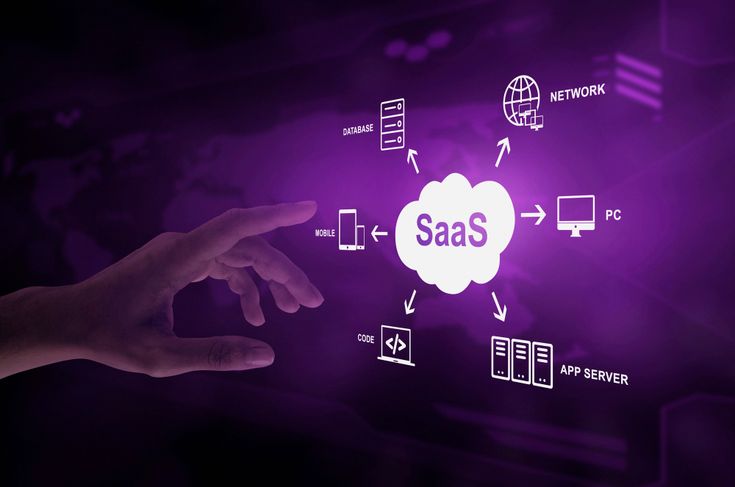
SaaS Products are cloud-based software solutions accessed via a web browser. You pay monthly or annually, and the provider handles updates, security, and infrastructure. Think Notion, Slack, or HubSpot.
Automations are systems that handle repetitive, rule-based tasks — like sending follow-up emails, updating your CRM, or publishing a post across platforms — without human involvement.
Together, they:
- Save time
- Minimize manual errors
- Improve team efficiency
- Accelerate scaling
This makes them indispensable in today’s competitive business landscape.
Top SaaS Products You Should Know in 2025
Here’s a breakdown of SaaS tools dominating different business functions.
CRM and Sales
- HubSpot – Lead tracking, automated emails, behavior-based workflows, and integrated analytics.
- Pipedrive – Sales-focused CRM with an intuitive pipeline structure, perfect for small to mid-sized teams.
Marketing and Content
- Jasper AI – Creates marketing copy, blog posts, and product descriptions using AI.
- Canva Pro – Design tool for everything from brand kits to social media graphics.
- Buffer – Schedules and automates social media posts across multiple platforms.
Productivity and Collaboration
- Notion – All-in-one workspace for wikis, tasks, projects, and documents.
- ClickUp – Project and time management tool with deep customization.
- Slack – Real-time communication with channels, integrations, and workflow builders.
Customer Support
- Zendesk – Ticket-based support and multichannel capabilities.
- Intercom – Combines live chat, onboarding flows, and email communication.
Game-Changing Automation Tools
If SaaS tools are your team’s digital limbs, automation tools are the brain that connects them.
- Zapier – Most popular no-code automation tool; connects 5,000+ apps.
- Make (Integromat) – Advanced automation builder for multi-step workflows.
- ActiveCampaign – Automates email sequences and CRM updates.
- Calendly – Handles meeting scheduling and follow-ups.
You can automate:
- Lead capture from website to CRM
- Payment confirmations and invoices
- Welcome emails and course delivery
- Social media publishing
Real-World Use Case Example
Use Case: A Startup Marketing Agency
Before automation:
- Manually onboarded clients via email
- Created task lists from scratch in Notion
- Tracked leads manually in Google Sheets
After automation:
- Form submissions trigger onboarding emails via Zapier
- ClickUp generates client-specific tasks
- Pipedrive auto-updates lead information
Result: 60% reduction in manual work and 2x faster client onboarding.

Key Trends in SaaS and Automation (2025)
- AI-First Workflows – Built-in AI assistants and smart reporting
- Hyper-Personalization – Automations adapt based on behavior
- No-Code Platforms – Easy workflows without coding skills
- All-in-One Ecosystems – Bundled CRM, support, and marketing tools
- Vertical SaaS – Niche-specific tools for law, fitness, events, and more
Choosing the Right Tools: A 3-Step Framework
Not every SaaS tool is right for your business. Here’s how to choose smartly.
- Map Your Workflow – Know what tasks eat up your time.
- Identify Gaps – Pinpoint areas where automation could help.
- Test for Fit – Try free trials and evaluate scalability.
Pro Tip: Start with one pain point, solve it, then expand.
Mistakes to Avoid
- Shiny Object Syndrome – Don’t adopt tools just because they’re trending.
- Poor Integration – Make sure your tools talk to each other.
- Lack of Onboarding – Train your team or automation won’t help.
- Over-Automation – Avoid losing human touch, especially in support.

Final Thoughts
In 2025, SaaS products and automations aren’t luxuries — they’re survival tools. The most successful companies aren’t those who work harder but those who work smarter.
SaaS tools offer speed. Automations offer leverage. Together, they help you build leaner, faster, and smarter systems that scale effortlessly.
But remember: tools don’t grow businesses — clarity, strategy, and execution do.
- Know your goals
- Choose systems with purpose
- Let tech support, not replace, human value
SaaS tools offer speed. Automations offer leverage.
To
SaaS products and automations offer speed and leverage.
In a world of noise and demand, those who automate wisely will grow consistently. Choose right. Integrate well. Scale fearlessly.
When choosing SaaS products and automations for your business, clarity and fit are critical.
Founder & CEO : Hammad Mustafai
Website : HammadMustafai.com