

Table of Contents
Side Hustle and Full Time Business – Understanding the Gap
The side hustle and full time business dilemma is one every ambitious professional eventually faces.
You’ve started something on the side—maybe a freelancing gig, an e-commerce store, a newsletter, or consulting. It’s growing. You’re earning. And now you’re wondering… should I go all in?
Understanding the mindset, financial risks, and strategy involved in this transition is critical. Going full time too soon can cause stress and failure. Staying too long in your job can cause stagnation and regret.
This article helps you navigate the gap with clarity, realism, and actionable insights.
Pros and Cons of Side Hustling
A side hustle allows you to dip your toes into entrepreneurship without the risk of leaving your job. But it comes with its own set of advantages and challenges.
Pros
- Low Risk: You keep your full-time income while testing business ideas
- Freedom to Experiment: You can pivot without pressure
- Skill Expansion: You learn sales, marketing, and management on the go
- Potential Passive Income: Some side hustles, like content or digital products, can earn while you sleep
Cons
- Time Crunch: Balancing a job and business can cause fatigue
- Limited Focus: Growth is slower when split between responsibilities
- Burnout Risk: Constant context-switching can wear you out
- Missed Opportunities: You might hold back from big decisions due to job constraints
According to Forbes, more than 30% of professionals now run side hustles—and many are quietly preparing to take the leap.
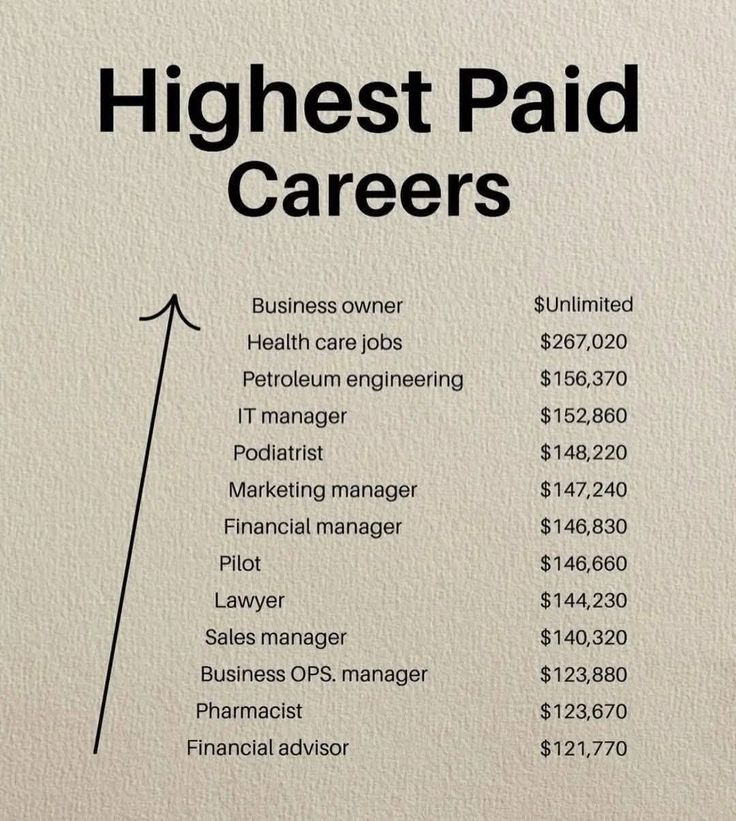
Advantages of Running a Full Time Business
Once you go all-in, your time, creativity, and focus align fully with your business goals.
Full Creative Control
No more approvals or restrictions. You own the vision, decisions, and outcomes.
Unlimited Growth Potential
Time is your most powerful asset. With full focus, you can scale faster, improve systems, and close bigger deals.
Reputation Building
Clients take you more seriously when your business is not “part-time.” You’re perceived as more committed and trustworthy.
Deeper Personal Satisfaction
Doing something you built from scratch full time brings purpose, confidence, and independence.
But here’s the catch: without preparation, full-time business can quickly turn into full-time panic. That’s why the transition strategy matters.
When Is the Right Time to Quit Your Job?
There’s no universal answer, but here are reliable indicators that your side hustle is ready for the next step:
- Consistent Monthly Revenue: You’re consistently making 50–70% of your salary from your side hustle
- Client or Product Demand: You’re turning down opportunities due to time limitations
- Repeatable Systems: Your processes are structured, not chaotic
- Emergency Savings: You’ve saved at least 6 months of expenses
- Mental Readiness: You feel clear, not desperate or impulsive
If these check out, it may be time to make the leap with a structured exit plan. Not sure how to plan one? Our post on Side Hustle Exit Strategies can help.
Transitioning from Side Hustle to Full Time Business
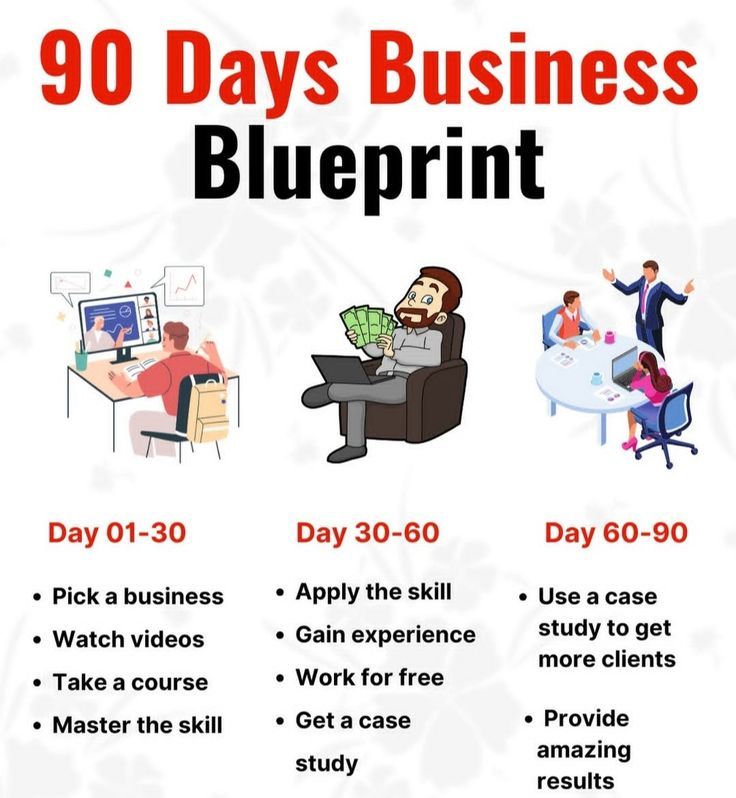
1. Set a Revenue Goal
Before you resign, set a monthly income goal and hit it for 3–6 consecutive months. This reduces the pressure post-transition.
2. Start Outsourcing Early
You can’t do everything alone. Begin outsourcing tasks like design, admin, or marketing to free up time for strategy and sales.
3. Build a Lead Pipeline
Don’t quit and then start looking for clients. Build relationships, warm up leads, and book work in advance.
4. Announce the Shift Publicly
Let your audience know you’re going full time. This builds trust and may lead to new clients, partnerships, or referrals.
5. Prepare Mentally
Going full time isn’t just a career change—it’s an identity shift. Expect emotional highs and lows, imposter syndrome, and decision fatigue.
But with the right support, mindset, and systems, your business will benefit from full-time focus.

Real Stories of Successful Transitions
Ali Abdaal
Started a YouTube channel while working as a doctor. Grew his side hustle into a media empire generating over $3 million annually. Quit his job to go full time and never looked back.
Dan Koe
Began as a part-time creator and digital writer. Built digital products and a loyal audience. Eventually transitioned to full-time solopreneurship with scalable income streams.
Arlan Hamilton
Started investing in startups while working as a tour manager. Built Backstage Capital and now runs a venture fund that supports underrepresented founders.
Each of these examples shows that the side hustle and full time business journey is possible—with planning, patience, and action.

Final Thoughts
The choice between side hustle and full time business isn’t about one being better—it’s about what aligns with your goals, risk tolerance, and lifestyle.
Use your job as a runway, not a cage. Build something meaningful on the side, and when the signals are right—go all in with confidence.
Just remember: jumping too soon can burn you, but waiting too long can bury your dream.
So plan smart. Build strong. And trust your process.
Founder & CEO : Hammad Mustafai
Website : HammadMustafai.com