


Table of Contents
Mindset and Psychology of Entrepreneur
Mindset and Psychology of Entrepreneur – Why It Matters
The mindset and psychology of entrepreneur are the real engines behind every pitch, pivot, and product. Before any business sees the light of day, it lives in the mind of a founder.
What separates high-performing entrepreneurs from average ones isn’t just skills—it’s their psychology. The way they think, feel, and respond to stress plays a defining role in whether they thrive or burn out.
Understanding and developing your inner game is no longer optional—it’s a strategic asset.
The Real Psychology Behind Entrepreneurial Decisions
Entrepreneurs operate in high-risk, high-uncertainty environments. That requires strong decision-making muscles, emotional regulation, and mental clarity.
Studies from Harvard Business Review suggest that successful entrepreneurs consistently exhibit high levels of self-efficacy, emotional intelligence, and resilience. These aren’t just nice-to-have traits—they’re must-haves for long-term impact.
The mindset and psychology of entrepreneur determine how they process rejection, handle failure, and capitalize on opportunity.
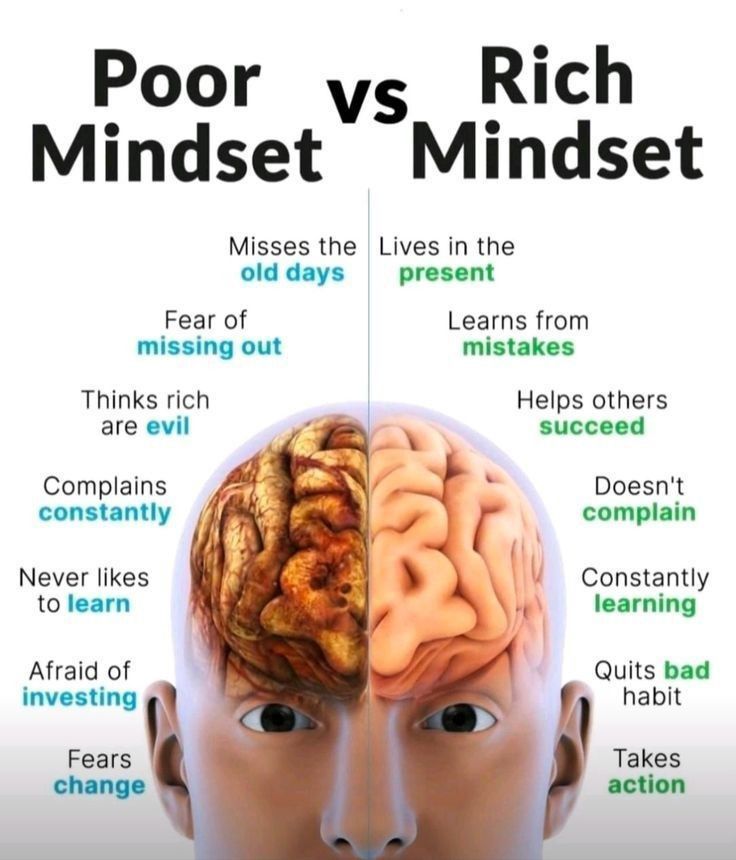
7 Traits Every Entrepreneur Must Build
Here are seven psychological traits that show up repeatedly in successful founders:
1. Growth Mindset
The belief that skills and intelligence can be developed through effort. It helps entrepreneurs learn from setbacks and constantly improve.
2. Grit
Persistence and passion over time. Grit keeps you going long after motivation fades.
3. Self-Discipline
The ability to stay consistent even when you’re not feeling it. Entrepreneurs succeed by showing up daily.
4. Emotional Intelligence
Understanding emotions—yours and others’—helps navigate partnerships, leadership, and customers more effectively.
5. Optimism
Seeing opportunity even in chaos. This isn’t blind positivity, but strategic hope.
6. Risk Tolerance
The ability to evaluate and act despite uncertainty.
7. Focus
With distractions everywhere, the skill of deep, uninterrupted work is rare and powerful.

Common Mindset Blocks and How to Defeat Them
Even the best founders hit mental walls. Here’s how to tackle the most common psychological barriers:
Fear of Failure
Reframe failure as feedback. Test small, iterate fast.
Imposter Syndrome
Almost all founders feel this at some point. Remember: action builds identity. Keep moving.
Perfectionism
Done is better than perfect. Launch, then improve.
These blocks are part of the journey. Understanding the mindset and psychology of entrepreneur helps you identify and address them before they sabotage progress.
Mental Conditioning Techniques That Work
Strong mental fitness comes from regular training. Here are 4 proven techniques:
1. Daily Visualization
Spend 5 minutes each morning visualizing your business goals. Mental rehearsal builds confidence and sharpens focus.
2. Reflection Journaling
Write about what worked, what didn’t, and how you felt. Reflection increases emotional intelligence.
3. Mindfulness Practices
Use tools like meditation or breathing exercises to reduce stress and increase clarity.
4. Founder Support Groups
Talking with fellow entrepreneurs can normalize struggles and accelerate growth. For more mindset habits, check out our post: Entrepreneur Habits That Lead to Growth
Entrepreneurs Who Mastered the Inner Game
Mindset and Psychology of Entrepreneur
Elon Musk
Despite heavy pressure, Musk focuses on long-term vision over short-term comfort. That’s mental toughness.
Sara Blakely (Spanx)
Faced countless rejections but kept going. Her mindset shifted an entire industry.
Jack Ma (Alibaba)
Rejected by 30+ jobs, he pushed forward. His belief in the bigger picture outlasted his failures.
Each one of them had the same fears and doubts—but their psychology helped them act despite it.

Final Thoughts
The mindset and psychology of entrepreneur are the silent forces that guide every business decision. More than talent or capital, your inner game decides how far you’ll go.
Startups fail more often from emotional fatigue than market misfit. If your brain isn’t trained to lead, pivot, and push through pain—you won’t last long.
So train your mind like you train your skills. Practice focus, master failure, build grit. Your business will only grow to the level your mind can handle.
If you’re serious about entrepreneurship, this is where the real work begins.
Founder & CEO : Hammad Mustafai
Website : HammadMustafai.com