
Table of Contents
Solopreneurship and One Person Business – Why It’s Booming
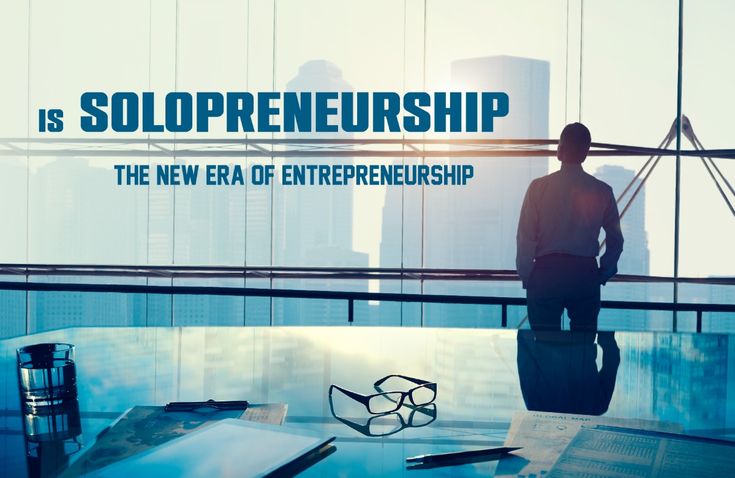
Solopreneurship and one person business models are rising faster than ever. With remote work, digital tools, and the creator economy exploding, millions are ditching traditional teams to build lean, agile businesses alone.
This isn’t a side hustle—it’s a serious model. From consultants and freelancers to indie creators and SaaS builders, the solo path offers freedom, focus, and full control.
In a world where scaling often means stress, many are choosing simplicity with profit. But going solo requires strategy, discipline, and clarity. This guide explores what it really takes to thrive as a one person business.
What Makes Solopreneurs Different from Entrepreneurs?
While every solopreneur is technically an entrepreneur, the difference lies in scale, structure, and mindset.
- Entrepreneurs often aim to build teams, raise capital, and scale operations.
- Solopreneurs focus on self-sufficiency, automation, and high-margin services or products they can deliver alone.
Solopreneurship is not about playing small—it’s about playing smart. With the right systems, a one person business can make six or even seven figures without employees or offices.
And thanks to platforms like Gumroad, Shopify, and Substack, launching a solo venture has never been easier.
9 Traits That Define a Successful Solopreneur
To succeed without a team, you need more than just skill. You need mindset, systems, and strategy. Here are nine key traits top solopreneurs share:
1. Self-Motivation
No boss, no deadlines. You are the engine. Successful solopreneurs manage their own momentum daily.
2. Focus on Simplicity
They build clear offers, not complicated funnels. One service, one product, one audience.
3. Time Discipline
They guard their calendars fiercely and batch tasks to reduce decision fatigue.
4. Lean Thinking
Solopreneurs aim for profits over vanity metrics. No bloated teams, no wasted tools.
5. Creator Mindset
They produce valuable content—blogs, videos, courses—that builds authority and passive income.
6. Problem Solving
From tech to marketing, they figure things out themselves or find efficient tools to help.
7. Automation First
Email sequences, payment systems, scheduling—all automated for scale without staff.
8. Community Building
They don’t work with teams, but they grow around communities—audiences, readers, fans.
9. Experimentation
Solopreneurs test fast, ship often, and learn directly from users.
Tools Every One Person Business Needs
Without a team, tools are your team. Here’s a lean tech stack for solopreneurs:
- Notion or Trello – for planning and personal workflow
- ConvertKit or MailerLite – for email marketing and automation
- Calendly – for client scheduling
- Canva – for design without a designer
- Stripe or Gumroad – for online payments
- Loom – to communicate visually without meetings
- WordPress or Webflow – for creating a professional site
- ChatGPT – for content ideas, drafts, and research
For even more, check out Zapier for integrating tasks across tools and automating daily actions.

Challenges of Solopreneurship and How to Overcome Them
Solopreneurship may look smooth on the surface, but real challenges exist. Here’s how successful solo founders handle them:
Loneliness
Without a team, the journey can feel isolating. Join mastermind groups, communities, or co-working spaces to stay connected.
Burnout
Trying to do everything can drain your energy. Use automation, outsource where needed, and set clear work-life boundaries.
No One to Blame
Every success—or failure—is on you. Shift from blame to ownership. Build reflective habits like journaling or weekly reviews.
Scaling Revenue
Trading time for money has limits. Solopreneurs scale through digital products, courses, SaaS tools, or retainer models.
Need guidance on scaling solo? Read our guide on One Person Business Models That Scale
Examples of Thriving Solopreneurs
Justin Welsh
Grew a solo consulting and content business to over $1M in revenue. No employees. Just strategic content and scalable digital products.
Steph Smith
Built courses and content products while working solo. Her work focuses on building in public, automation, and high leverage.
Paul Jarvis
Author of Company of One, he’s a vocal advocate for building small and profitable businesses rather than chasing scale for ego.
These aren’t influencers—they’re operators. Each proves that solopreneurship and one person business can be a powerful, profitable path.
Final Thoughts
The future belongs to the lean, agile, and focused. In a noisy world full of hustle and scale hype, solopreneurship offers a clear, peaceful, and profitable alternative.
With the right mindset, tools, and systems, you can turn your skillset into a sustainable business—without a team or office. Whether you’re freelancing, consulting, building a digital product, or launching a newsletter, going solo is more achievable than ever.
If you’re planning to start your one person business or scale your solo brand, now is the perfect time.
Founder & CEO : Hammad Mustafai
Website : HammadMustafai.com